We see the same mistake every few months. A contractor breaks ground on a new tilt-up in Stead, assumes the decomposed granite is competent at ten feet, and pours footings without a single blow count to back it up. By spring, the slab shows differential settlement and the owner is into a six-figure remediation. In Reno, the soil profile changes inside fifty lateral feet—native granodiorite, old Truckee River alluvium, or engineered fill from the 1970s. A proper Standard Penetration Test run to ASTM D1586 tells you exactly what is down there before you commit concrete. We run the SPT from a truck-mounted rig, log the recovery, and ship split-spoon samples straight to our lab for classification under ASTM D2487. If the site shows soft lenses below fifteen feet, we often pair the SPT with a triaxial shear test to get drained strength parameters for the deeper bearing stratum.
In Reno's high-desert soils, blow counts can shift from refusal to single digits within one drive rod—guessing that transition is a gamble no foundation should take.
Service characteristics in Reno
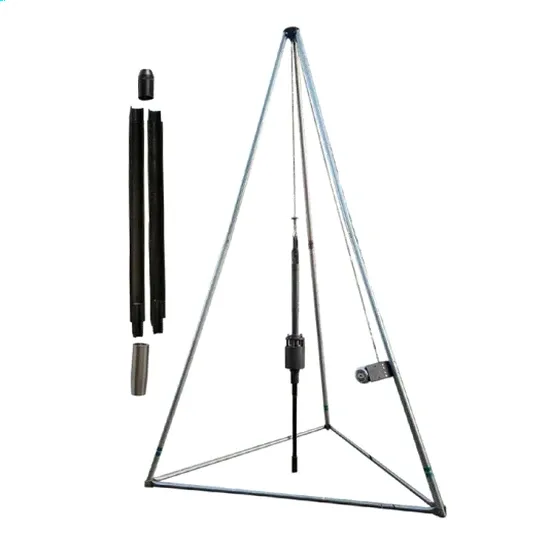
Typical technical challenges in Reno
Downtown Reno sits on old Truckee River deposits—cobbles, gravel, and sand lenses that generally drive high blow counts. Drive ten minutes east toward the Hidden Valley area and you are on fine-grained lacustrine sediments with N-values that barely break single digits at twenty feet. That contrast catches people off guard. A contractor who poured a mat foundation on stiff river gravel near the ballpark assumes the same subgrade works on the east side, and then watches the slab crack along the control joints a year later. An SPT program spaced on a tight grid picks up those transitions before the structural engineer locks the foundation type. We hit refusal on boulders north of McCarran, we drive through soft silt near the wetlands—and we log every foot of it. The IBC and ASCE 7 both point toward site-specific investigation when soil variability is this high, and Reno qualifies every time.
Our services
Every SPT program in Reno feeds into the bigger picture. The N-values we log go straight into bearing capacity checks, settlement estimates, and seismic site class determination. These are the services that contractors and structural engineers typically request alongside the Standard Penetration Test.
SPT drilling with mobile rig
Truck-mounted hollow-stem auger rig that accesses tight lots in Midtown and industrial parcels in Stead. We log blow counts, recovery, and groundwater depth on every borehole, and deliver N60-corrected profiles within three business days.
Lab classification suite
Split-spoon samples go straight from the field to our lab for grain-size analysis and Atterberg limits per ASTM D2487. We pair the SPT log with USCS group symbols so the geotechnical engineer has a complete soil profile without waiting on third-party courier.
Common questions
What does a standard SPT program cost in the Reno area?
For a typical residential or light commercial job in Reno with two to three boreholes to twenty-five feet, budget between US$500 and US$730 per borehole. Mobilization, traffic control if you are downtown, and lab classification run separate. We quote a fixed number once we see the site address and the structural loads.
How many boreholes does the IBC require for a commercial building in Reno?
The IBC does not prescribe an exact number—it ties the investigation scope to the building footprint and the variability of the subsurface. For a 10,000-square-foot tilt-up on the east side of Reno, we typically recommend a minimum of three SPT borings spaced to catch changes in the Truckee Meadows basin fill. The geotechnical engineer makes the final call based on ASCE 7 site class requirements.
Can you run SPT in bouldery ground near the foothills?
Refusal on boulders is common up against the Peavine and Virginia Range fronts. When the split spoon hits refusal on granite cobbles at shallow depth, we switch to coring or recommend a geophysical line like MASW to supplement the boring log. The SPT still gives you valuable data above the refusal depth, and that often controls the foundation bearing elevation.
How fast do you deliver the SPT logs after drilling?
We email draft boring logs with raw N-values and soil descriptions within three business days of completing the field work. Final logs with N60 corrections, USCS classifications, and groundwater notes follow once the lab finishes the classification suite, typically within five to seven business days depending on sample volume.